Assisted Living Programs: Ensuring Seniors Stay Engaged and Active
Activities in assisted living facilities are essential for enriching the lives of elderly residents. Such programs promote physical wellness, cognitive engagement, and social connections. By engaging in diverse physical, creative, and intellectual endeavors, residents can foster a sense of community and purpose. Yet, the specific types of activities offered can vary greatly between facilities. Comprehending these distinctions is essential for maintaining senior engagement and activity levels.
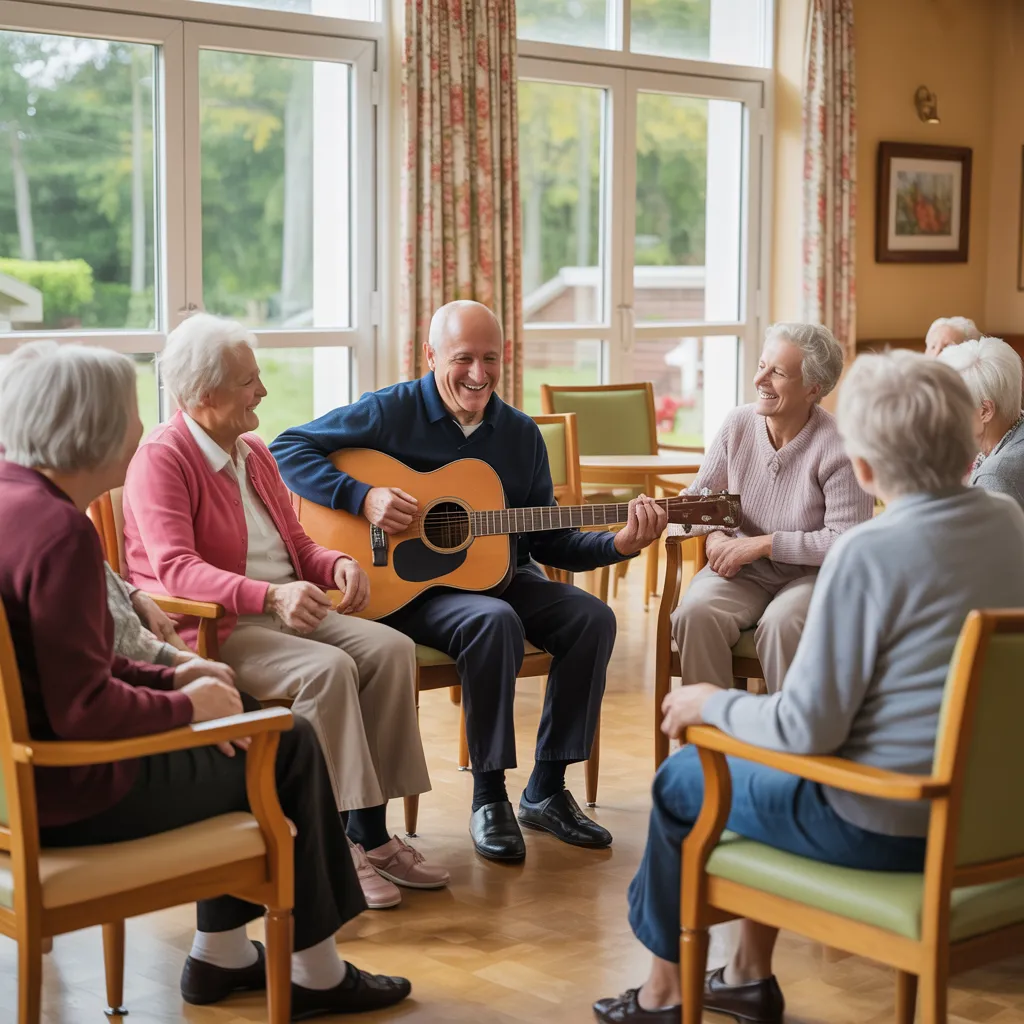
The Significance of Staying Active in Assisted Living
While a lot of people may connect assisted living with a shortage of activity, staying physically and mentally active is critical for residents' complete well-being. Taking part in regular activities fosters a sense of purpose and belonging, which can tremendously enhance the quality of life. Physical activity supports sustaining mobility, strength, and balance, minimizing the risk supplementary information of falls and injuries. Moreover, mental stimulation through different activities promotes cognitive health, assisting in stave off conditions like dementia and depression.
Social interaction is another important component, as it combats feelings of loneliness and isolation that can arise in assisted living environments. Residents profit from forming connections with peers, sharing experiences, and engaging in group activities. Therefore, incorporating a diverse set of activities into daily routines is essential in ensuring that residents remain energetic, engaged, and fulfilled, in the end leading to a happier and healthier lifestyle.
Forms of Exercise Activities for Seniors
Within assisted living facilities, fitness activities for seniors commonly consist of gentle aerobic exercises and strength training sessions. These activities are developed to increase mobility and overall health while accommodating the physical capabilities of older adults. By integrating such exercises, facilities can support a more active lifestyle among their residents.
Gentle Cardiovascular Training
Light aerobic exercises provide seniors a way to elevate their physical health while supporting overall well-being. These low-impact activities, such as walking, swimming, and cycling, enhance cardiovascular health and increase endurance without imposing excessive strain on the joints. Participating in light aerobic exercises can also elevate mood and relieve symptoms of anxiety and depression, building a sense of community when practiced in group settings. Regular participation in these activities supports social interaction, as seniors can engage with peers while exercising. In addition, soft aerobic exercises can be modified to individual fitness levels, making them available for everyone. Incorporating these exercises into daily routines helps seniors maintain mobility and independence, adding positively to their overall quality of life.
Power Training Sessions
Strength training sessions play an essential role in enhancing the overall fitness and health of seniors. These sessions focus on building muscle strength, boosting balance, and enhancing bone density, which can help prevent falls and injuries. Typically, strength training exercises include the use of resistance bands, light weights, or body weight movements suited to individual capabilities. Several assisted living facilities offer group classes instructed by trained professionals who understand the unique needs of older adults. Ongoing participation in strength training can also improve seniors' confidence and support independence in daily activities. All in all, integrating strength training into fitness routines can significantly contribute to a healthier lifestyle for seniors, encouraging both physical and mental well-being.
Creative Communication By means of Art and Craft
Creative activity through art and craft delivers numerous positive outcomes for elderly individuals, particularly in boosting emotional well-being and cognitive function. Various craft activities, such as painting, knitting, and pottery, present opportunities for individuals to activate their imaginations while fostering social connections. Recognizing the value of art therapy can help caregivers integrate these activities into assisted living programs effectively.
The Benefits Of Art Therapy
While various therapeutic techniques concentrate on verbal interaction, art therapy delivers a special channel for self-expression and emotional investigation. This form of therapy allows seniors to communicate feelings and experiences that may be difficult to articulate verbally. Involvement in creative endeavors can strengthen cognitive abilities, enhance emotional state, and decrease feelings of social disconnection. Via the journey of artistic creation, people may feel a sense of achievement and heightened self-worth. Additionally, art therapy provides a non-judgmental space where seniors can explore their emotions and memories, fostering connections with others. Overall, the benefits of art therapy extend beyond mere creativity; they encompass emotional healing, social interaction, and cognitive engagement, promoting a holistic approach to well-being in assisted living environments.
Craft Activity Types
Art therapy acts as a foundation for various craft activities that promote creative expression among seniors. These activities can include painting, where individuals investigate color and form; knitting and crochching, which improve fine motor skills while fostering a sense of accomplishment; and scrapbooking, enabling personal storytelling through visuals. Pottery and ceramics engage seniors in tactile experiences, stimulating creativity and mindfulness. Additionally, collage-making merges different materials, allowing self-expression and exploration of themes. Each craft activity not only stimulates cognitive function but also provides opportunities for social interaction, enhancing community bonds. Through these creative outlets, seniors can discover joy, reduce stress, and maintain a sense of purpose in their daily lives.
Connection-Building Social Activities
How do social activities improve connections among residents in assisted living? Engaging in social activities fosters relationships and builds a sense of community among seniors. These activities, including group outings to game nights, stimulate interaction and collaboration, enabling residents to share experiences and build friendships. Regular participation in social events can diminish feelings of loneliness and isolation, which are common in senior living environments.
Furthermore, social activities frequently provide opportunities for residents to discover shared interests, creating deeper connections. Group discussions, arts and crafts sessions, and themed parties not only encourage conversation but also foster teamwork and camaraderie.
Cognitive Games and Learning Activities
Mental exercises and educational pursuits serve a vital function in enhancing mental stimulation among residents in assisted living. Such exercises, which include trivia competitions, puzzles, and recall activities, are designed to stimulate cognitive skills and foster brain health. Taking part in such activities can boost retention, concentration, and reasoning capabilities, which are essential for seniors as they age.
Several assisted living communities incorporate structured programs that foster participation in these games, fostering a sense of accomplishment and social interaction. Group activities, such as word games and discussion groups, not only activate the mind but also build connections between residents, reducing feelings of isolation.
In addition, learning programs, such as art classes or technology workshops, offer possibilities for residents to develop new skills, further enhancing their cognitive engagement. Overall, cognitive games and learning activities are critical elements in maintaining mental agility and enriching the lives of seniors in assisted living communities.
Exploring the Community: Fun Excursions for Seniors
Taking part in community outings gives seniors a precious opportunity to explore their surroundings and engage in social activities that improve their quality of life. These outings can take multiple forms, including visits to local parks, museums, or community events, fostering a sense of connection with the broader community.
Participating in group excursions enables seniors to connect with peers, share experiences, and develop friendships, combating feelings of isolation. Additionally, exposure to varied environments stimulates mental engagement and encourages physical activity, which is essential for overall health.
If attending a concert, visiting a botanical garden, or having a picnic, these occasions offer fresh perspectives and enjoyment. Community outings also prompt seniors to recall earlier experiences, strengthening their cognitive functions. In the end, regular involvement in such activities not only promotes emotional well-being but also empowers seniors to maintain an active and fulfilling lifestyle.
Questions & Answers
How Do Family Members Participate in Activities?
Relatives can take part by planning activities, making frequent visits, helping with programs, and engaging in conversations. Their participation fosters connections, improves emotional support, and prompts seniors to keep active, encouraging overall wellness and joy.
What Staff-Led Activities or Programs Are Available?
Indeed, staff-led activities and programs are provided, developed to connect with residents through multiple options such as arts and crafts, exercise classes, and social events, fostering community and encouraging involvement among seniors within the residence.
What Safety Protocols Are Implemented During Activities?
Safety protocols during activities include team monitoring, ongoing safety reviews, crisis procedures, easily reachable tools, and health screenings. These protective steps guarantee participants remain secure while involved in various programs designed to promote interaction and enjoyment.
What Is the Process for Residents to Suggest New Activities?
Residents can suggest new activities by participating in regular feedback sessions, presenting written ideas to staff, or engaging in one-on-one meetings with activity coordinators, making sure consideration is given to their preferences and interests in planning future events.
Is There a Cost for Taking Part in Activities?
Taking part in activities can involve expenses, based on the specific event and facility policies. Certain activities are covered by monthly dues, while other activities, such as special outings or materials, may necessitate additional charges for residents.
Comments on “Best Assisted Living Charlotte: Professional Senior Living in Charlotte”